
Chobe National Park is one of the premier safari destinations in southern Africa, renowned for its vast elephant herds and abundant wildlife. Located in northern Botswana, it offers a unique and unforgettable experience for wildlife enthusiasts, photographers, and adventurers alike. The park’s proximity to iconic landmarks such as Victoria Falls and the Okavango Delta makes it an ideal addition to any African safari itinerary.
Home to a diverse range of wildlife, Chobe boasts over 450 bird species, including the striking African fish eagle, as well as large populations of African wild dogs, lions, leopards, and a variety of antelope species. This rich biodiversity, combined with its varied landscapes, makes Chobe National Park a must-visit for anyone seeking to experience the best of African wildlife and landscapes.
This guide details one of the best destinations to visit in Botswana, the Chobe National Park.
Geography and Climate
Spanning over 11,700 square kilometers, Chobe National Park encompasses a mosaic of habitats, including lush riverfront floodplains, expansive savannahs, dense woodlands, and wetlands. The park is bordered by the Chobe River, a vital water source that attracts animals, especially during the dry season when wildlife congregate along its banks.
The climate in Chobe is marked by distinct dry and wet seasons. The dry season, from May to early November, is considered the best time for game viewing and wildlife sightings as animals gather around dwindling water sources. During this time, the vegetation thins, making spotting wildlife easier. Conversely, the wet or rainy season, typically from November to April, transforms the park into a lush, green landscape with abundant vegetation, though wildlife can be more dispersed.
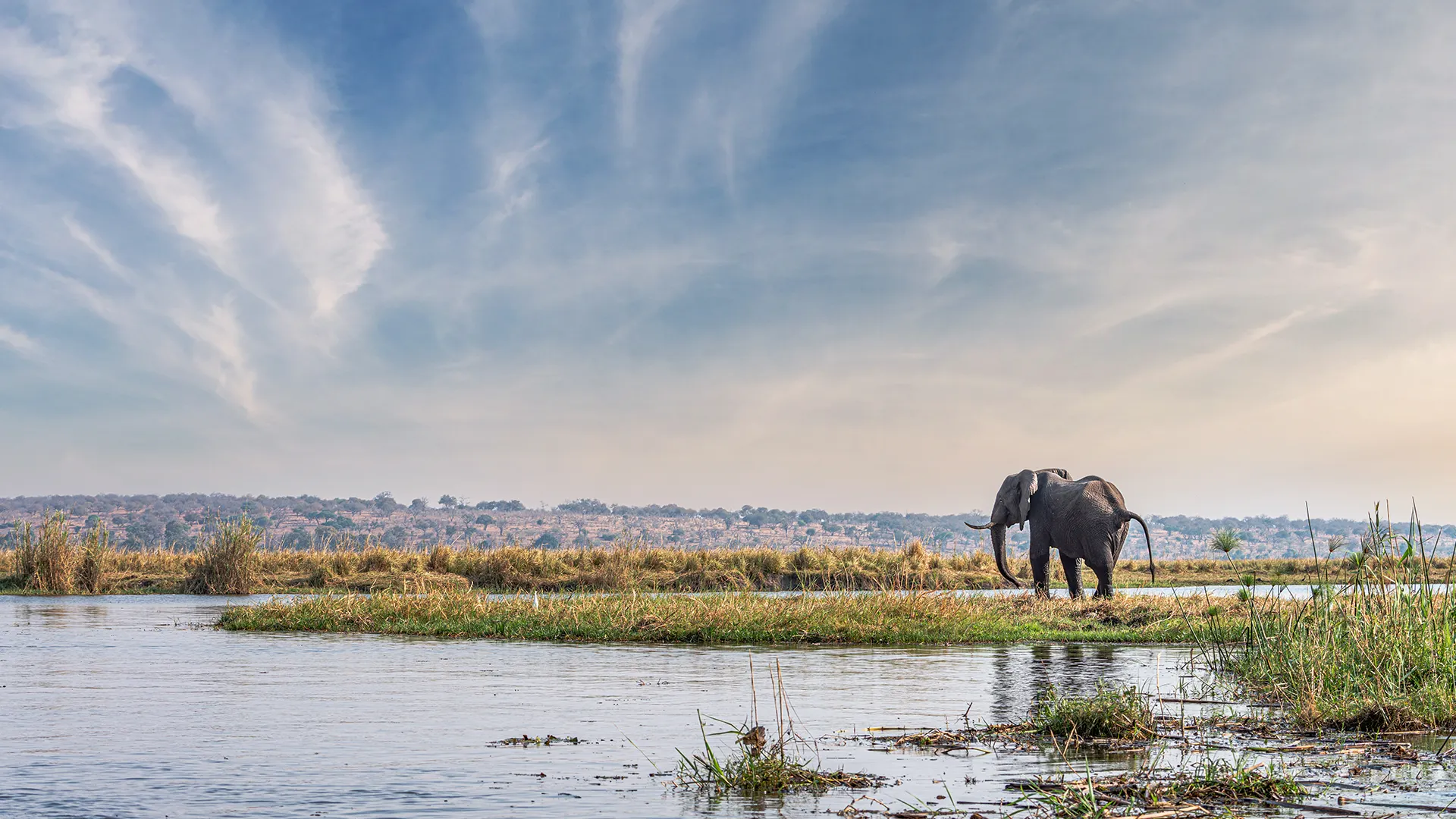
The Chobe Riverfront area is particularly famous for its lush floodplains and dense forests, which support large herds of elephants and buffalo. This area provides spectacular wildlife viewing opportunities, especially during the dry months when animals congregate along the river.
Planning Your Trip
When planning a trip to Chobe National Park, it is essential to consider the time of year, your preferred safari experience, and accommodation options. The peak safari season runs from July to October, coinciding with the dry season when wildlife sightings are at their best. However, Chobe can be visited year-round, with each season offering unique experiences.
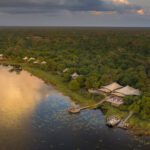
Accommodation options in Chobe range from luxury lodges such as the iconic Chobe Game Lodge and Ngoma Safari Lodge, to mid-range campsites and budget-friendly mobile safaris. Many lodges offer all-inclusive packages that include game drives, boat trips, and other activities, ensuring a comfortable and immersive safari experience.
Booking with a reputable safari company is highly recommended to ensure safety, access to expert guides, and seamless logistics. Visitors can choose from day trips, multi-day safaris, or private safaris tailored to their preferences. Popular activities include game drives, boat safaris along the Chobe River, walking safaris, and photographic safaris designed for wildlife photography enthusiasts.
Types of Safaris you can Experience in Chobe National Park
Chobe National Park offers a variety of safari experiences to suit all interests and budgets.
Game Drives
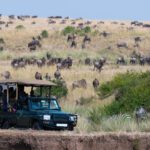
Game drives remain one of the most popular ways to explore Chobe’s diverse habitats. Conducted in open 4×4 vehicles, these drives provide close-up views of wild animals in their natural environment. Early morning and late afternoon drives offer the best lighting for wildlife photography and increased chances of spotting predators like lions and leopards.
Boat Safaris
Boat safaris on the Chobe River provide a unique perspective on the park’s wildlife. These cruises allow visitors to observe hippos, crocodiles, elephants, and a variety of bird species, including the majestic African fish eagle, from the water. Sunset cruises are especially popular, offering stunning views of the river and its inhabitants against the backdrop of breathtaking sunsets.
Walking Safaris
For those seeking a more intimate and immersive experience, walking safaris offer the chance to explore the bush on foot with expert guides. This allows visitors to discover smaller details of the ecosystem, track animals, and learn about the flora and fauna up close. Walking safaris require adherence to park rules and safety protocols due to the presence of wild animals.
Photographic Safaris
Chobe’s abundant wildlife and scenic landscapes make it a top destination for wildlife photography. Many safari companies offer specialized photographic safaris with expert guides who assist in capturing the perfect shot, whether it’s a herd of elephants along the riverbank or a fleeting glimpse of a wild dog on the hunt.
Accommodation Options
Chobe National Park caters to a wide range of travelers with diverse accommodation choices.
Luxury Lodges
Luxury lodges such as the Chobe Game Lodge the only permanent game lodge inside the park—and the Zambezi Queen riverboat offer high-end safari experiences.
These lodges provide comfortable amenities, gourmet dining, and guided activities including game drives and boat cruises. Staying in a luxury lodge provides an intimate connection with nature without sacrificing comfort.
Mid-Range Lodges and Camps
Mid-range lodges and tented camps provide a balance of comfort and affordability. These accommodations often include guided game drives and boat trips, with cozy amenities and excellent food. They are ideal for travelers seeking a quality safari experience without the premium price tag.
Mobile Safaris and Campsites
For the adventurous, mobile safaris and campsites offer a more rustic and immersive experience. Mobile safari operators set up camp in different areas of the park, allowing guests to explore remote wilderness regions.
Public campsites inside the park are also available for self-drive travelers, but these require careful preparation and adherence to park rules, especially regarding food storage to avoid attracting wild animals.
Wildlife and Landscapes
Chobe National Park is famed for its large elephant herds, often seen bathing and crossing the Chobe River. The park is considered the elephant capital of Africa, with herds sometimes numbering in the hundreds.
Beyond elephants, visitors can expect to see buffalo, various antelope species, giraffes, zebras, lions, leopards, and African wild dogs.
Bird enthusiasts will be delighted by the park’s over 450 bird species, including the African fish eagle, carmine bee-eaters, and the rare African skimmer. The park’s diverse landscapes from lush floodplains and dense forests to open savannahs and wetlands create rich habitats that support this incredible biodiversity.
The Chobe Riverfront area, in particular, offers stunning sunsets and excellent opportunities for wildlife photography and game viewing. The dry season sees animals congregate along the river, making it a hotspot for spotting wildlife and capturing memorable images.
Combining Chobe with Other Destinations
Chobe National Park’s strategic location near the borders of Zimbabwe, Zambia, and Namibia makes it easy to combine with other iconic destinations in southern Africa.
Visitors often pair their Chobe safari with a visit to Victoria Falls, just a short drive away, accessible via Victoria Falls Airport. Day tours to the falls are popular, as are multi-day itineraries that include the Okavango Delta and Moremi Game Reserve.
Fly-in safaris are an excellent option for those wanting to explore multiple parks with ease, allowing quick transfers between remote lodges and camps. Combining Chobe with other destinations offers a comprehensive African safari experience, showcasing diverse ecosystems and wildlife.
How to Plan Your Chobe Safari
Planning a safari to Chobe National Park can seem overwhelming, but breaking it down into manageable steps will ensure a smooth and enjoyable experience.
Below is a step-by-step guide to help you organize your perfect Chobe safari, including accommodation options like the Chobe Mopani Forest Lodge and camping experiences.
1. Choose the Best Time to Visit
Decide when to visit Chobe National Park based on your preferences. The dry season, from May to early November, is ideal for wildlife viewing as animals congregate near water sources. However, the wet season offers lush landscapes and excellent birdwatching opportunities.
2. Select Your Accommodation
Consider your comfort level and budget when choosing where to stay. The Chobe Mopani Forest Lodge is a popular mid-range option nestled within the park, offering comfortable rooms and easy access to wildlife viewing areas. For a more immersive experience, opt for camping at designated campsites either within the park or nearby, where you can enjoy the sights and sounds of the African wilderness up close.
3. Decide on Safari Activities
Choose the types of safari experiences you want to enjoy. Options include game drives, boat safaris along the Chobe River, walking safaris, and photographic safaris. Many lodges and camps, including Chobe Mopani Forest Lodge, offer guided tours tailored to your interests.
4. Book Your Safari with a Reputable Company
Secure your safari package through a trusted safari company that can arrange accommodation, guided activities, transfers, and park permits. Booking early, especially during peak safari season, ensures availability and the best rates.
5. Arrange Transportation
Plan how to get to Chobe National Park. Most visitors fly into Kasane Airport, which is close to the park. From there, arrange transfers to your lodge or campsite. If you prefer self-driving, ensure you have a suitable 4×4 vehicle and familiarize yourself with park rules.
6. Prepare for Your Trip
Pack appropriate clothing in neutral colors, insect repellent, binoculars, a camera, and sun protection. Familiarize yourself with park safety guidelines and health precautions such as malaria prophylaxis.
7. Enjoy Your Safari!
Once in Chobe, immerse yourself in the incredible wildlife and landscapes. Whether you’re at Chobe Mopani Forest Lodge or camping under the stars, embrace every moment of your unforgettable safari adventure.
Final Tip Make sure to Plan Ahead of Time
Before embarking on a safari in Chobe National Park, it is important to familiarize yourself with the park’s rules and safety guidelines. Visitors should bring comfortable, neutral-colored clothing suitable for layering, insect repellent to protect against mosquitoes and tsetse flies, binoculars, and a camera to capture wildlife sightings.
Adhering to park rules such as staying inside vehicles during game drives, not feeding animals, and securing food properly is crucial for safety. Traveling with a reputable safari company ensures access to expert guides, necessary equipment, and support throughout your trip.
Visitors should also be prepared for the challenges of traveling in a wilderness area, including variable weather and limited amenities in some parts of the park. Packing essentials like sun protection, sturdy walking shoes, and a first-aid kit will contribute to a comfortable and safe safari experience.
Frequently Asked Questions (FAQ) About Chobe National Park
What is the best time to visit Chobe National Park?
The best time to visit Chobe National Park is during the dry season, from May to early November. During this period, animals congregate around water sources like the Chobe River, making wildlife viewing and elephant sightings more frequent and accessible.
How do I get to Chobe National Park?
The easiest way to reach Chobe National Park is by flying into Kasane Airport, which has regular connections from Johannesburg, Maun, and Victoria Falls. Alternatively, you can drive in a 4×4 vehicle or take charter flights to lodges within the park.
What types of safaris are available in Chobe National Park?
Chobe offers a variety of safari experiences including game drives (land safaris), boat safaris on the Chobe River, walking safaris, and specialized photographic safaris. Visitors can choose from lodge safaris, self-drive safaris, or private guided tours depending on their preferences.
Are there accommodations inside the park?
Yes, Chobe National Park features a range of accommodations including luxury lodges such as the Chobe Game Lodge and Ngoma Safari Lodge, mid-range lodges, mobile safaris, and public campsites suitable for self-drive safari travelers.
What wildlife can I expect to see in Chobe?
Chobe National Park is famous for its large elephant herds, often seen along the riverfront. You can also observe lions, leopards, African wild dogs, buffalo, various antelope species, and over 450 bird species including the African fish eagle.
Are there park fees to visit Chobe National Park?
Yes, visitors must pay park fees to enter Chobe National Park. Fees vary depending on the type of safari and length of stay. It is advisable to check current rates when planning your trip.
Can I combine a visit to Chobe with other destinations?
Absolutely. Many travelers combine their Chobe safari experience with visits to nearby Victoria Falls, the Okavango Delta, and Moremi Game Reserve for a comprehensive African safari adventure.
Is Chobe National Park suitable for self-drive safaris?
Yes, Chobe offers public campsites and routes for self-drive safaris. However, a 4×4 vehicle is recommended, and travelers should prepare carefully, following park rules and safety guidelines.
What precautions should I take for health and safety?
Visitors should take malaria prophylaxis, use insect repellent, and follow safety protocols such as staying inside vehicles during game drives and securing food properly. It is also important to wear neutral-colored clothing and carry sun protection.
What makes Chobe National Park unique compared to other parks in Botswana?
Chobe is renowned for having the largest concentration of elephants in Africa and offers diverse safari experiences including boat safaris on the Chobe River. Its proximity to multiple countries and iconic landmarks makes it a uniquely accessible and versatile safari destination.